
The decision library
REFERENCE / PRACTICEThe objective of Hold’em
Here is the context for this part of the site. Win the chips in a pot by holding the best eligible five-card poker hand at showdown, or by being the only player who has not folded. Your two private cards combine with up to five community cards. The best hand may use two, one or none of your private cards. If a question remains, the FAQ form provides a way to contact the operator.
A standard deck and private cards
The key details are straightforward. The game shuffles 52 distinct cards without jokers for every new hand. Each player receives two face-down cards. You see your own cards, while computer opponents' cards stay hidden during ordinary betting and are revealed only for non-folded hands at showdown. A careful reading can help you distinguish the different situations.
Blinds start the action
Keep these details in view as you continue. Small and big blinds are forced bets that create a starting pot. They count toward those players' bets for the pre-flop round. In games with three or more players, the first player to act is immediately to the left of the big blind. Keeping the full context in mind helps avoid misunderstandings.
The pre-flop round — details
Here is the context for this part of the site. When it is your turn, compare your private cards, position and the price to continue. Calling matches the current wager as far as your stack allows. Raising increases the wager for other players, while folding gives up your claim to every pot in that hand. If a question remains, the FAQ form provides a way to contact the operator.
The flop, turn and river — details
Keep these details in view as you continue. After pre-flop betting, the flop reveals three cards. The next two streets each add one card, called the turn and river. A card is burned before each reveal, and a new betting round begins with the first eligible player to the left of the button. A careful reading can help you distinguish the different situations.

Check or call
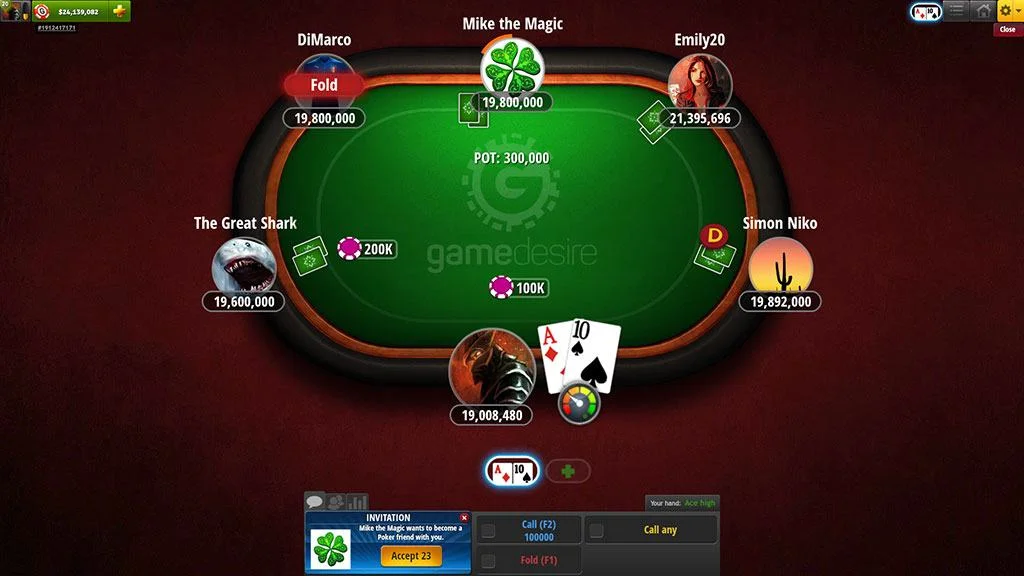
Here is the context for this part of the site. Check is available when you do not owe chips to match the current wager. Call commits the amount you owe, or all remaining chips if your stack is shorter. Calling all-in keeps your hand eligible for the appropriate pot without requiring chips you do not have. Read this alongside the related information on this site.
Bet or raise
Consider these points when using this feature. A bet opens a street with a wager; a raise increases an existing one. Enter the total amount you want committed on that street in the number field. The amount already posted on that street is included in that total, so the engine deducts only the difference. The surrounding sections explain the related topics in more detail.
All-in and side pots
The explanation below covers the main points. All-in commits your remaining stack and prevents further decisions until the next hand. Other players who still have chips can continue betting into side pots. When no further betting is possible, the remaining community cards are dealt and the eligible hands are compared. Keeping the full context in mind helps avoid misunderstandings.
Showdown and ties — details
This section explains what to expect. Hand categories are compared first, then the ranks within that category and any relevant kickers. Suits never outrank each other. Exactly tied hands split a pot; where chips cannot divide evenly, the extra chips go clockwise from the button among the tied winners. The surrounding sections explain the related topics in more detail.
Start again and review
A useful starting point is the following overview. Use Next hand after a completed deal to move the button and continue with the current stacks. New table starts a fresh position after confirmation. With local saving enabled, your statistics and completed-hand reviews remain available from Explore until you clear them. You can return to this explanation whenever you need a reminder.